





Astrophysics Summer Camp for High School Students
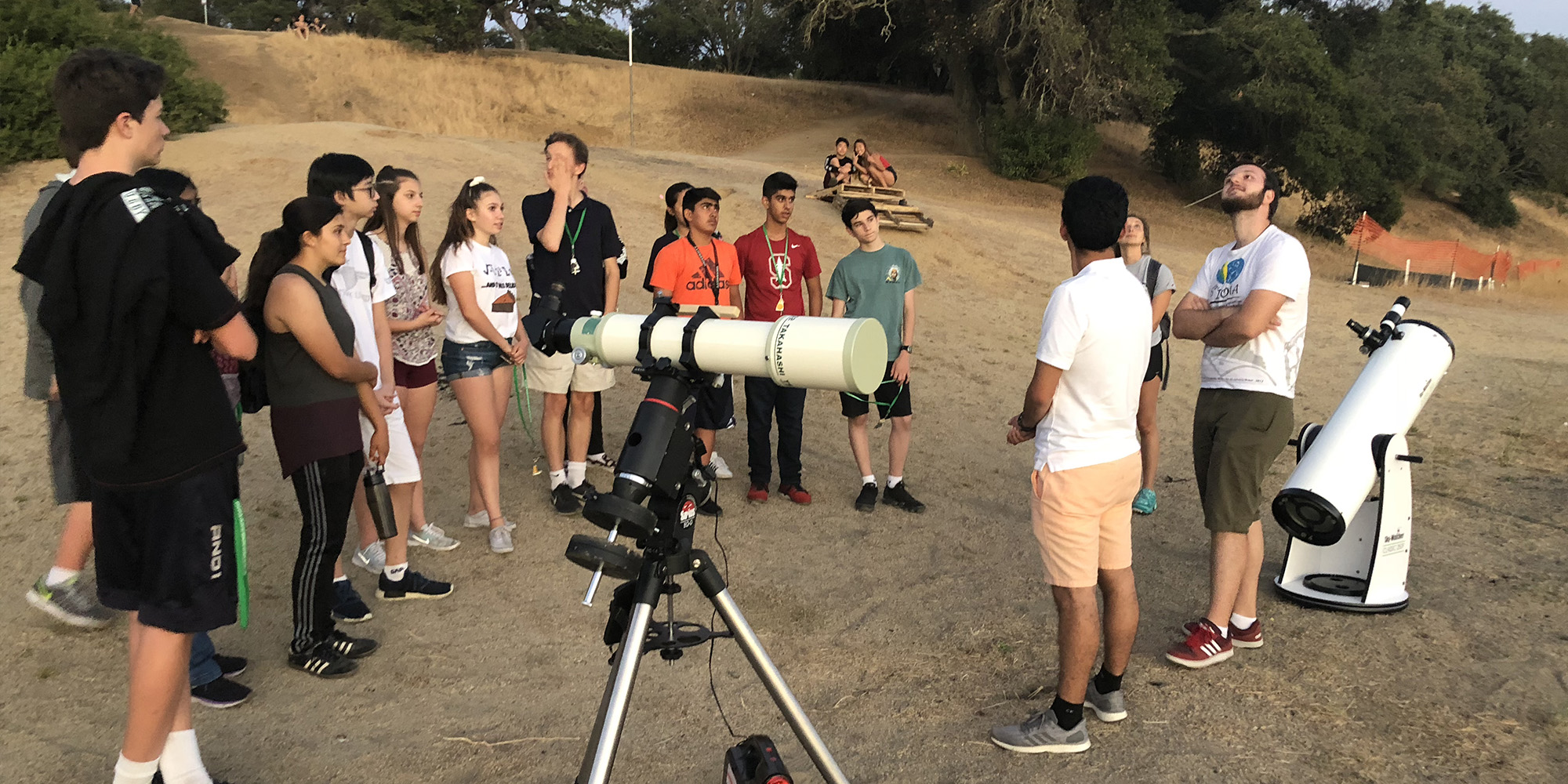
Education Unlimited’s astrophysics camps are designed for high school students interested in astronomy, cosmology, and the evolution of the universe. This immersive summer program introduces students to the scientific methods astronomers use to investigate the cosmos and beyond. During this program, students have the opportunity to live on the campus of top-tier universities and learn from experts in astrophysics. Spend your summer exploring black holes, galaxies, constellations, and more in an engaging learning environment that encourages asking questions and exploring new ideas.
Program at a Glance:
- Grade Level: Rising 9–12 (Grade after summer)
- Available Options: Commuter, Residential, or Online
- Duration: 7 days
- Topics: Astrophysics, Observational Astronomy, Cosmology
Explore the Universe With Our Hands-On Astrophysics Program
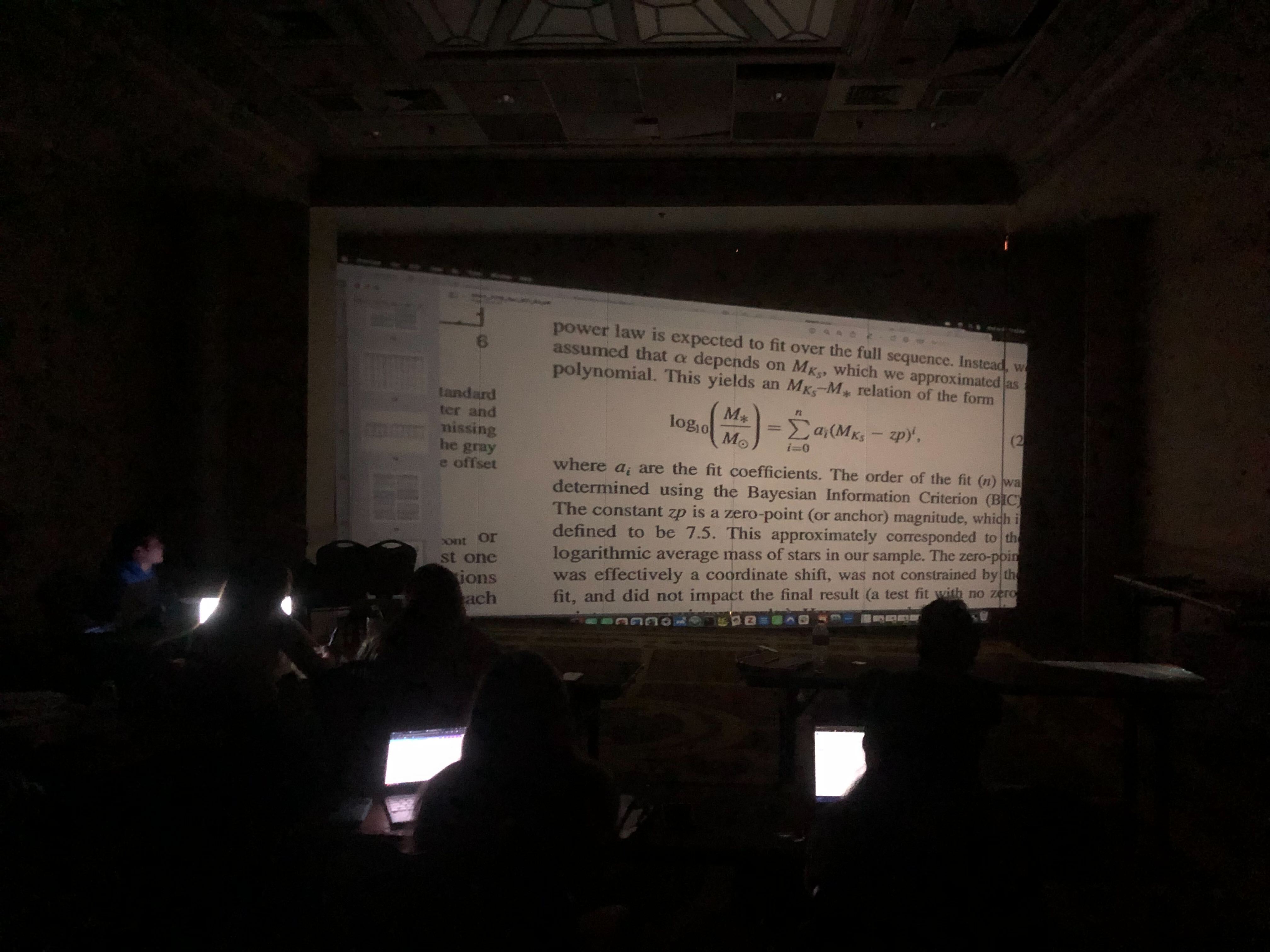
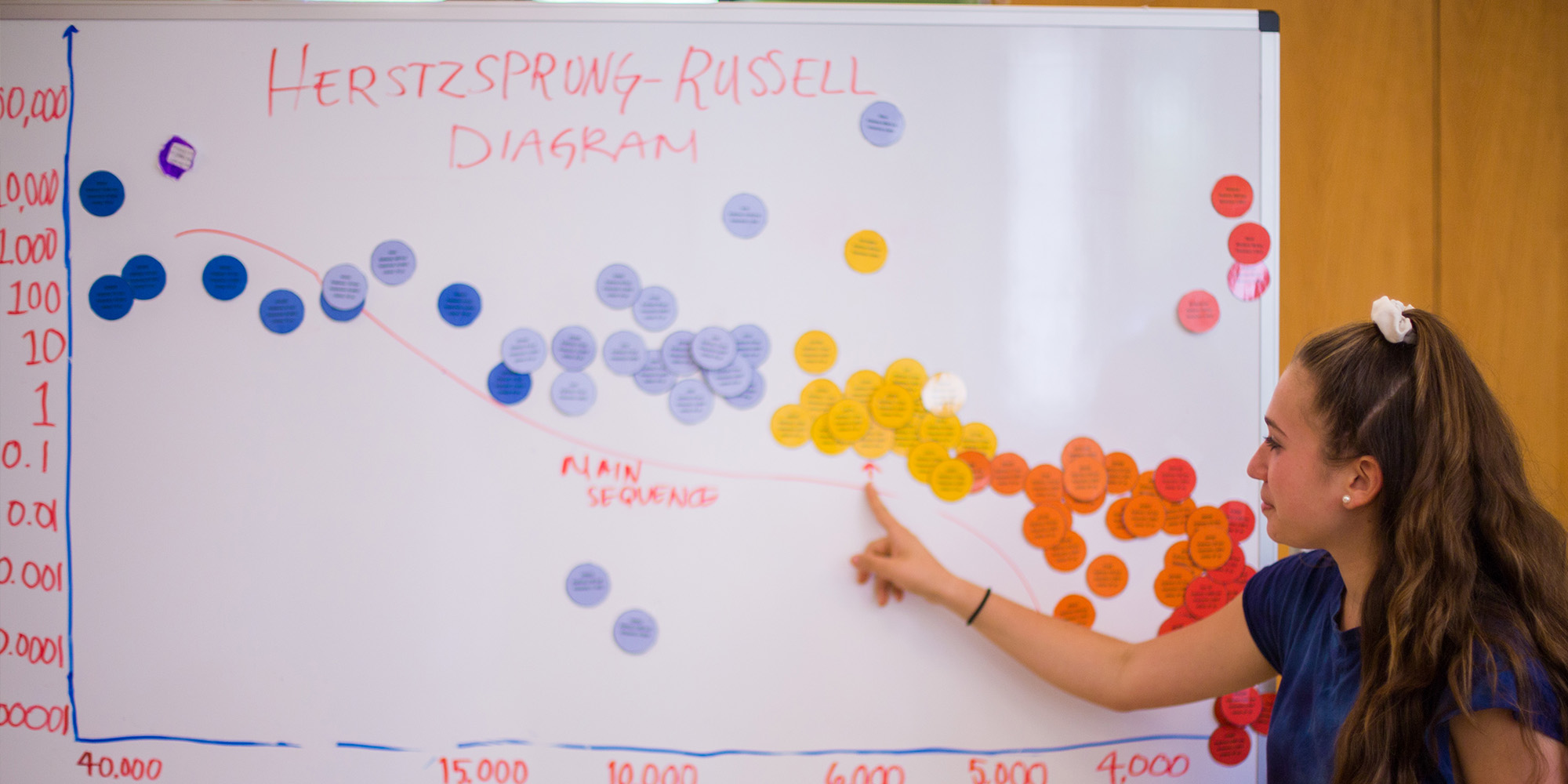
Our astrophysics summer camps follow a rigorous, student-focused curriculum that combines physics, astronomy, and mathematics and challenges students to answer some of science’s biggest questions. Whether it’s learning about the wave-particle duality of light or how to identify the constellations with the naked eye, students will strengthen their critical thinking and scientific reasoning skills throughout the summer program.
Learning Outcomes
- Explore the physics governing stars, galaxies, and black holes through interactive lessons.
- Apply mathematical and physics concepts to real astrophysical problems
- Strengthen collaboration through team discussions and interactive investigations.
- Build scientific thinking and quantitative reasoning skills that support future STEM success.
- Apply the astrophysics concepts from the course along with real-world data to complete a research project on a topic of interest.
FAQs
What makes Education Unlimited's astrophysics summer programs different?
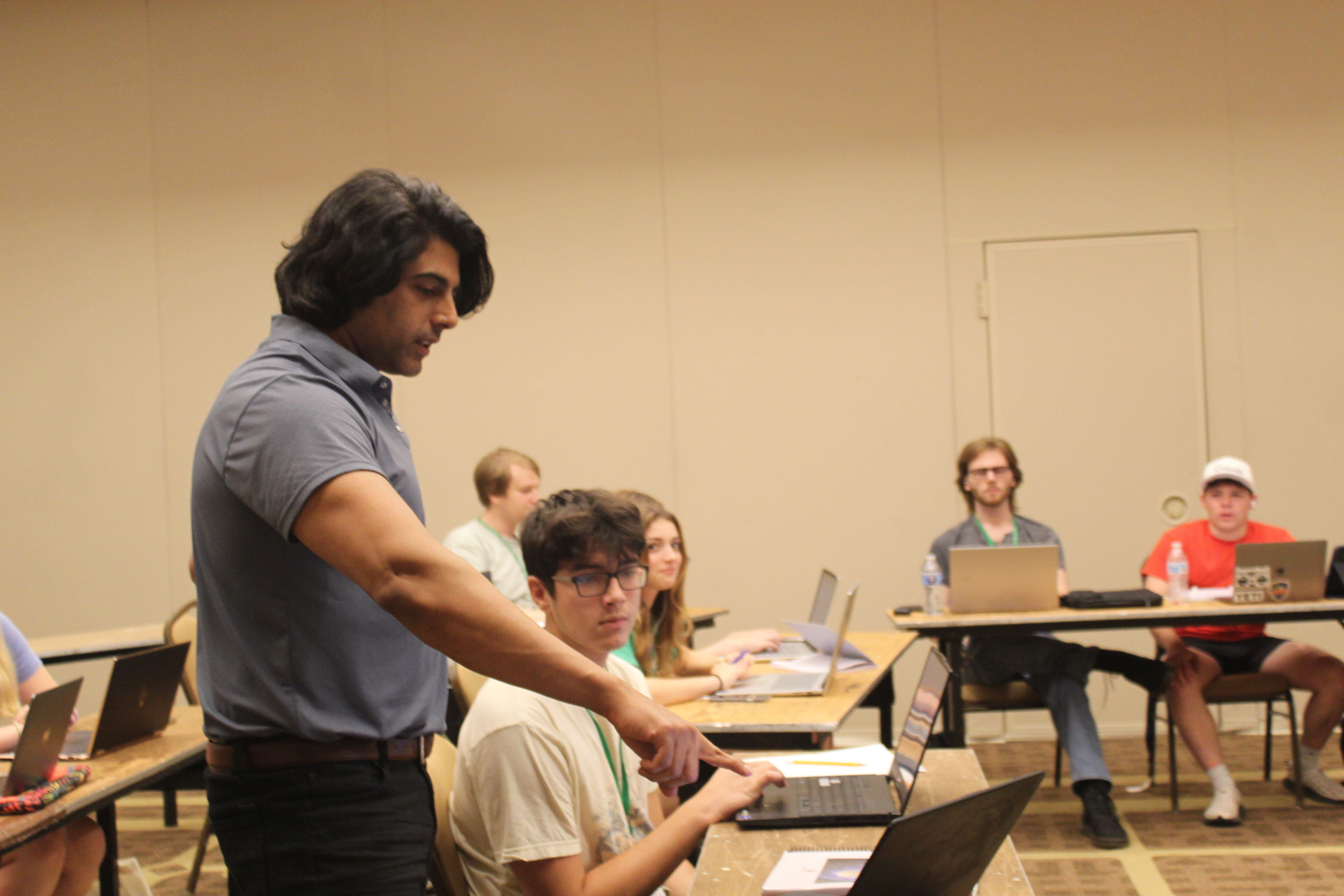
Our astrophysics camps are designed to maximize each student’s learning potential, with small class sizes, experienced educators, and an academically challenging curriculum. As a leader in academic summer camps for more than 30 years, we have extensive experience creating student-focused programs that build critical thinking and collaborative problem-solving skills.
Who should attend the astrophysics camp?
This STEM-based academic summer camp is ideal for motivated high schoolers entering 9th through 12th grade who have an interest in physics, mathematics, astronomy, or space science. Students who want to get a taste of college life can enroll in the overnight camp and stay in university residence halls. There is also a day camp option for students who prefer to commute from home.
How does this program prepare students for future STEM studies?
In our astrophysics summer programs, students strengthen their analytical reasoning, scientific inquiry, problem-solving, and collaboration skills while gaining exposure to advanced, college-level STEM concepts. Led by professionals in astrophysics and astronomy, this camp also introduces students to future careers in STEM.
From online to day camp to residential options, we offer an astrophysics program to fit a wide range of student needs and schedules.
| Program | Grades | Location | Start Date | End Date | Price Options | Register |
|---|

Don’t see a class you want in your time zone? Check other time zones to flexibly fit your needs!
| Click Here to View Sample ON-CAMPUS Schedule | Click Here to View Sample ONLINE Schedule |
Education Unlimited believes in small-group, immersive learning with subject matter experts and experienced teachers. We strive to provide industry-leading instruction to all of our students and hold all staff to the highest possible standards. Staff assignments vary by program and location. Some of our recent staff members for this program include:
Micol Chirstopher, PhD - Instructor
Dr. Micol Christopher received his undergraduate degree in Physics and Astronomy/Astrophysics at Harvard University where he graduated Summa Cum Laude. He subsequently completed a Ph.D. program in Astrophysics at the California Institute of Technology (Caltech) where his research focused on analyzing young star clusters both around the black hole at the center of our galaxy and in the colliding galaxy system known as the Antennae. Even from his time at Harvard, Micol knew that teaching was his true passion, so after Caltech, he began teaching Astronomy at Mt. San Antonio College, a two-year college in Walnut, California. He has been a tenured full-time professor there since 2006 and has taught introductory astronomy and astronomy lab classes to well over 2000 students. Micol also created online versions of both the introductory astronomy class and the astronomy lab class and has been teaching some classes online each semester since 2014. Micol absolutely loves teaching and the opportunity to share the passion that he has for astronomy and learning with all of his students. In his spare time, Micol enjoys outings and adventures with his young son, taking hikes in the Southern California mountains, traveling, and experiencing foods from all cultures.
Jesus Salas, PhD - Instructor
Dr. Salas is an instructor and researcher at UCLA, where he received both his master’s degree and his PhD in Astronomy and Astrophysics. His dissertation explored the dynamics of gas at the center of the Milky Way galaxy using fluid dynamics computations. He was awarded the prestigious NSF Graduate Researh Fellowship and the UCLA Eugene V Cota-Robles Fellowship. Prior to his time at UCLA, he earned his BS in Physics with a minor in Mathematics, graduating Summa Cum Laude from Texas A&M. Dr. Salas has taught a variety of undergraduate courses in astronomy and physics at UCLA, including developing and teaching an astrophysics undergraduate seminar. He also teaches science at the Harvard-Westlake. In addition to his teaching experience, Dr. Salas has been actively involved in scientific outreach, volunteering for UCLA’s “Exploring Your Universe” annual event and serving as Coordinator for the UCLA Planetarium.He has also published scientific papers in the field of astrophysics. Dr. Salas is bilingual in Spanish and English with proficiency in reading, speaking, and writing in both languages.
Allen B. Davis, PhD - Instructor
Dr. Allen B. Davis received his PhD in astrophysics from Yale University in 2021. His dissertation explored novel uses of statistical techniques to aid in the detection of potentially habitable exoplanets, and it presented the discovery of two new giant exoplanets detected by the TESS mission. Teaching is Dr. Davis's greatest professional passion. He has five years of experience teaching undergraduate astronomy students at Williams College and Yale University, and he has served as a full-time high school physics and math teacher at the International School of Boston for the past year. Dr. Davis loves incorporating astronomy into his classes wherever possible; he takes great pleasure in seeing his students light up as they come to understand complex topics when they are broken down and presented in an accessible way.
Gladys Velez Caicedo - Instructor
Gladys Velez Caicedo is an instructor in the Department of Physics at the Massachusetts Institute of Technology (MIT). A graduate of Columbia University in New York City, Gladys holds a Bachelor of Science degree in astronomy & physics. Gladys has conducted high energy particle astrophysics at various labs around the world, such as Nevis Laboratories and as part of the VERITAS collaboration. Gladys developed a passion for high school education during her college years. While at Columbia, she established the Columbia Education Studies Program in 2011, designed to give high school students wide-range access to university education. Gladys joined the Education Unlimited team in 2017. She has developed the curriculum for both the astrophysics and introduction to astrophysics programs.