





In this interactive neuroscience summer program, rising 9th through 12th graders explore the cellular biology of individual neurons, the anatomy of complex brain systems, and how the human brain works. Our immersive curriculum gives students meaningful exposure to the field of neuroanatomy through hands-on experiments, labs, dissections, and clinical-style activities. At the end of the program, students take on the roles of neurologists, psychiatrists, and neuroradiologists and present a case study to the class.
Program at a Glance:
- Grade Level: Rising 9–12 (Grade after summer)
- Available Options: Commuter, Residential, or Online
- Duration: 7 days
- Topics: Neuroanatomy, neuroscience
FAQs
What makes Education Unlimited’s neuroanatomy camp different from other neuroscience summer programs?
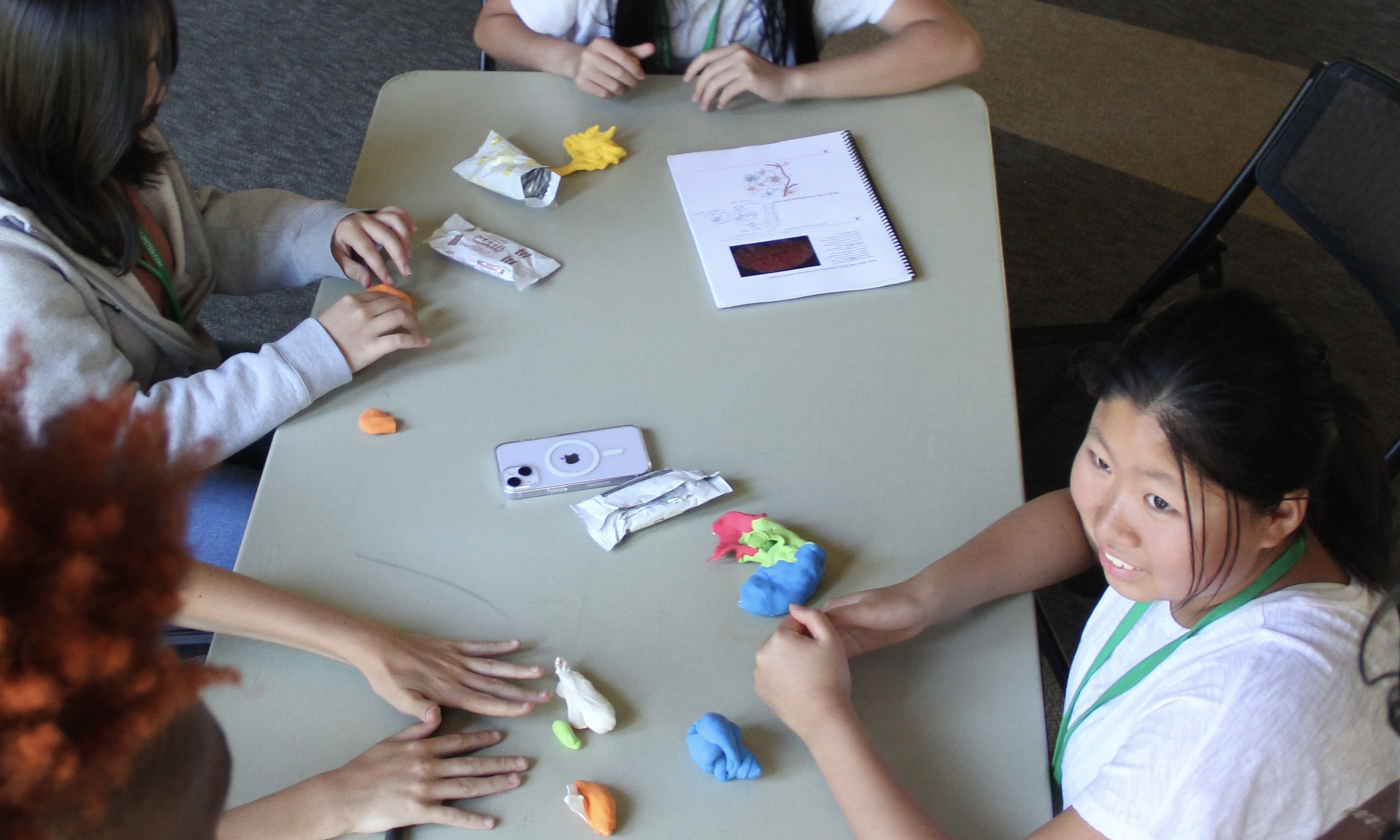
Our student-focused neuroscience summer camps are structured around active student participation, small-group learning, and opportunities to apply new concepts through hands-on activities. Instead of relying solely on classroom lectures, our program exposes students to fundamental neuroanatomy concepts through hands-on experiments, demonstrations, model building, and more. Neuroanatomy classes are taught by neuroscience professionals, researchers, and science educators who help students maximize their learning potential through challenging, collaborative academic experiences
Is this program appropriate for students interested in becoming doctors?
Yes. High school students interested in medicine can gain useful exposure to neuroscience, anatomy, and medical problem-solving through this program. During the course of the neuroanatomy camp, they will explore the brain, nervous system, neurological conditions, and clinical reasoning, preparing them for future medical studies in college and beyond.
Do students need previous neuroscience experience to attend this camp?
No. Previous neuroscience or neuroanatomy coursework is not required for students to participate in this neuroanatomy camp. Our program curriculum introduces foundational concepts before progressing to more complex neuroscience applications. Students begin with neuron biology and neural communication and then build toward brain systems, neuroanatomy, and neurological case analysis.
Who teaches the neuroanatomy courses?
Our neuroscience camps are led by subject-matter experts and experienced instructors. Recent program staff have included PhD-trained neuroscientists, neuroscience researchers, and academic professionals in neurology, cognitive neuroscience, and medicine. Instructor assignments vary by session and location.
How does this program prepare students for future STEM study?
In our summer neuroanatomy program, students practice scientific observation, anatomical analysis, evidence-based reasoning, collaboration, and scientific communication. The curriculum also introduces concepts relevant to future study in neuroscience, biology, psychology, pre-med, and related STEM disciplines.
Explore the Brain Through Hands-On Neuroscience
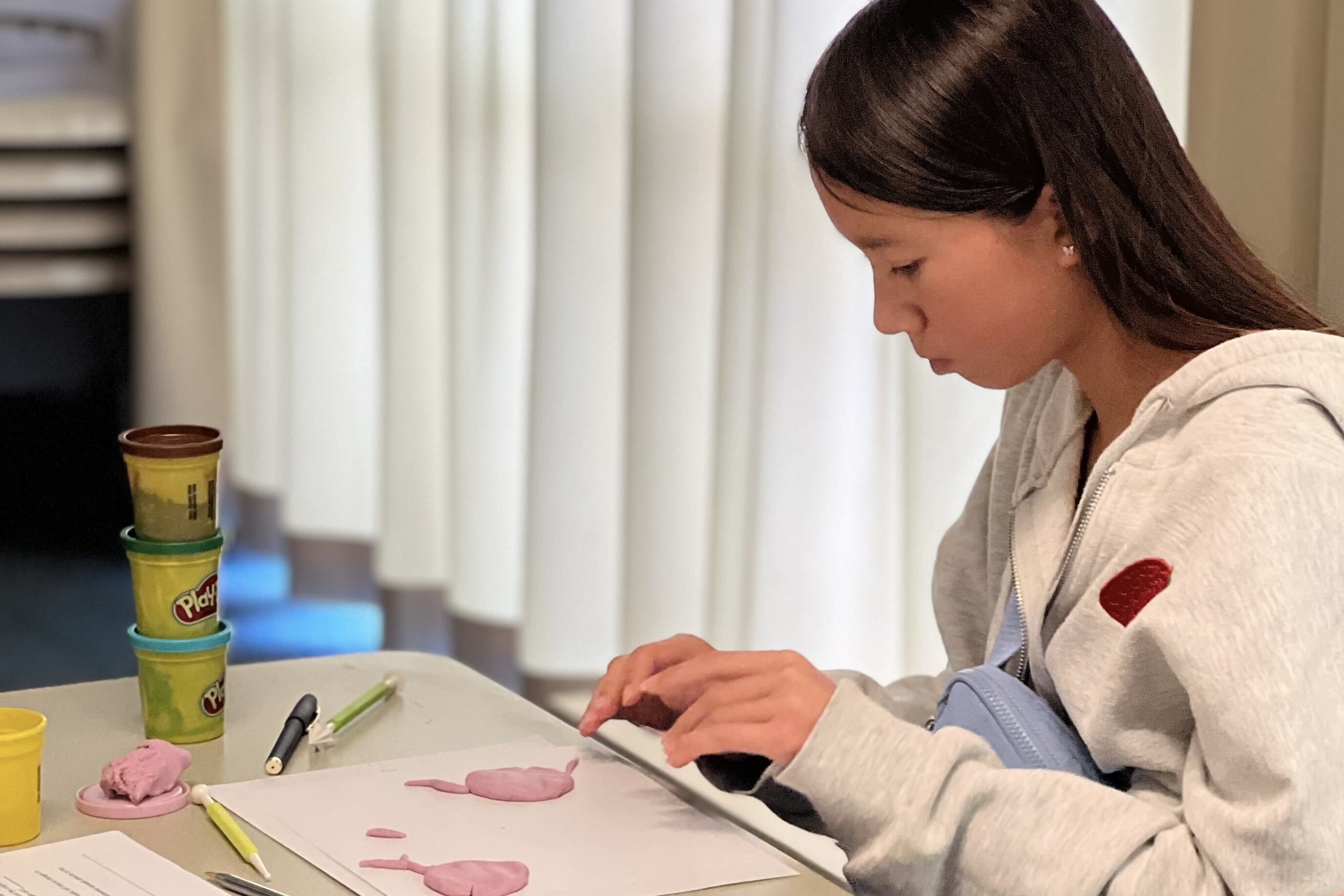
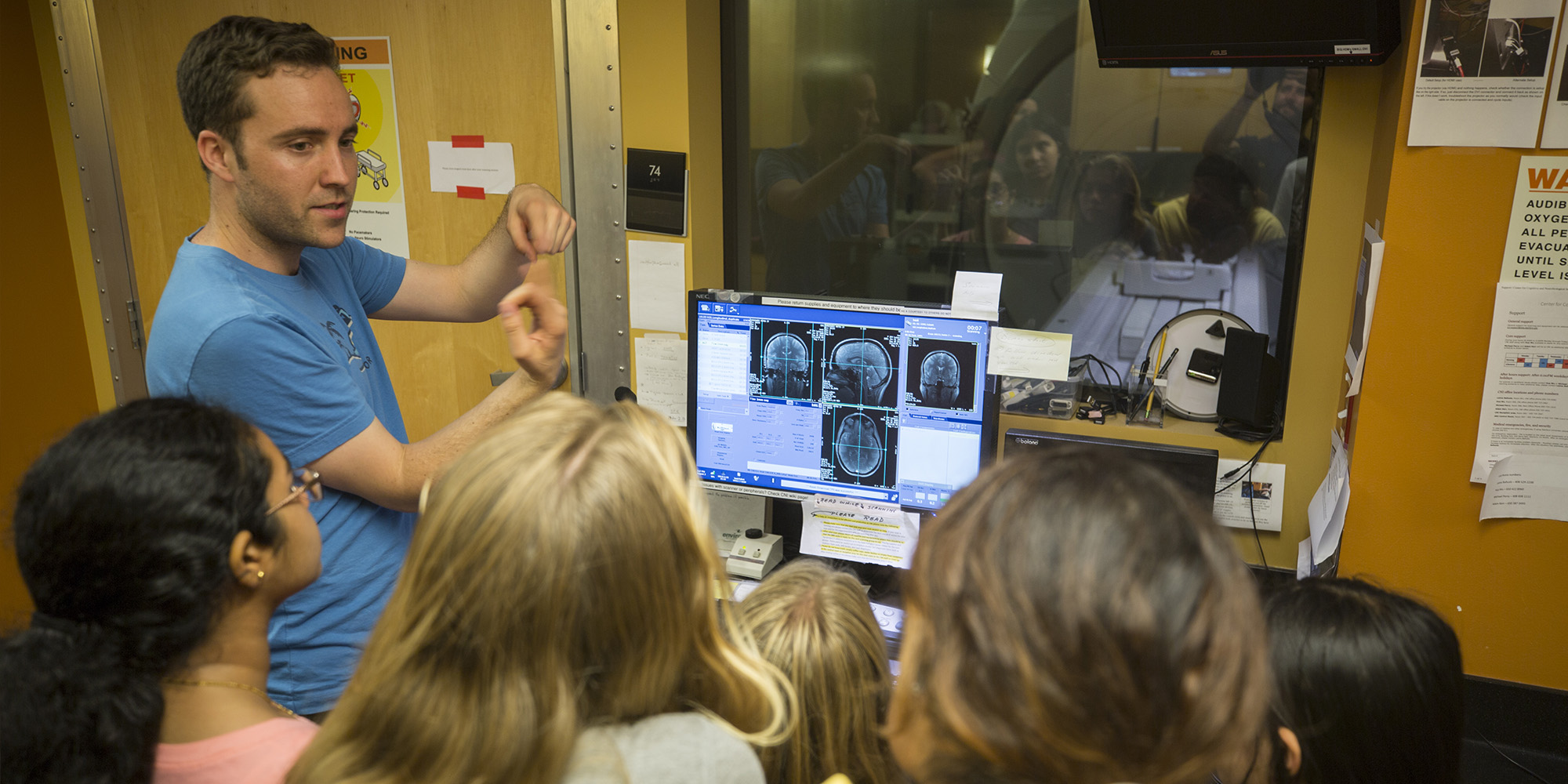
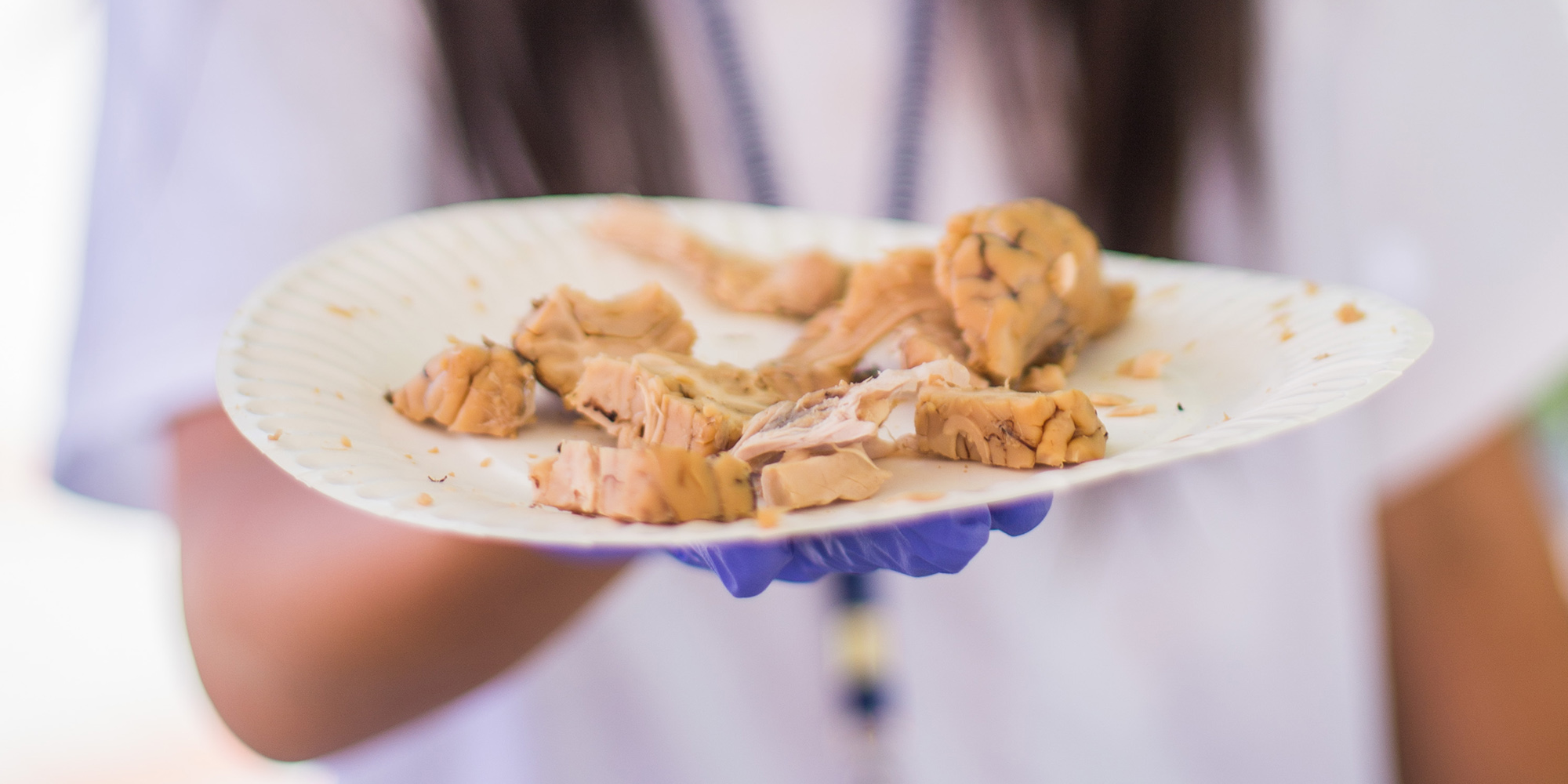
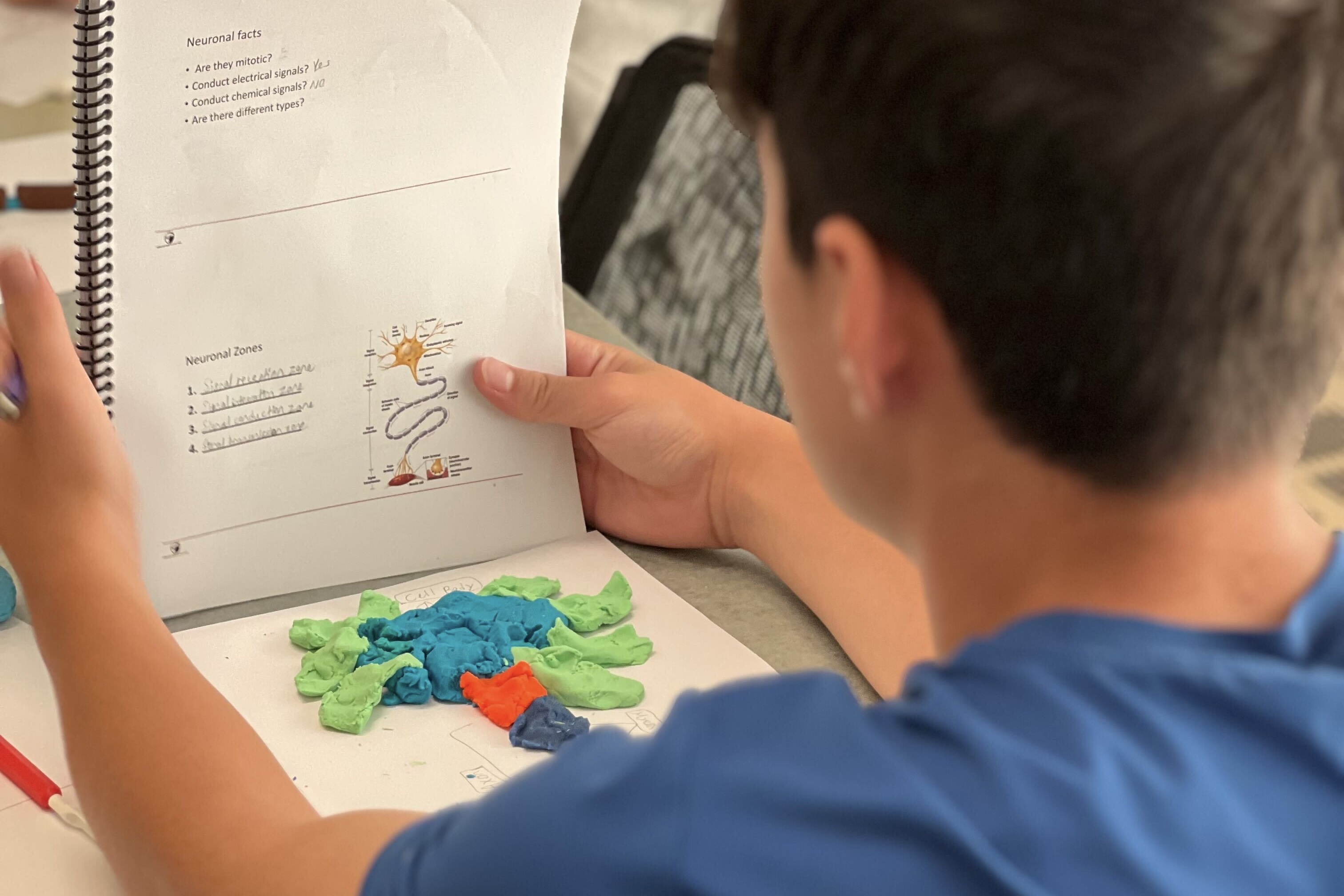
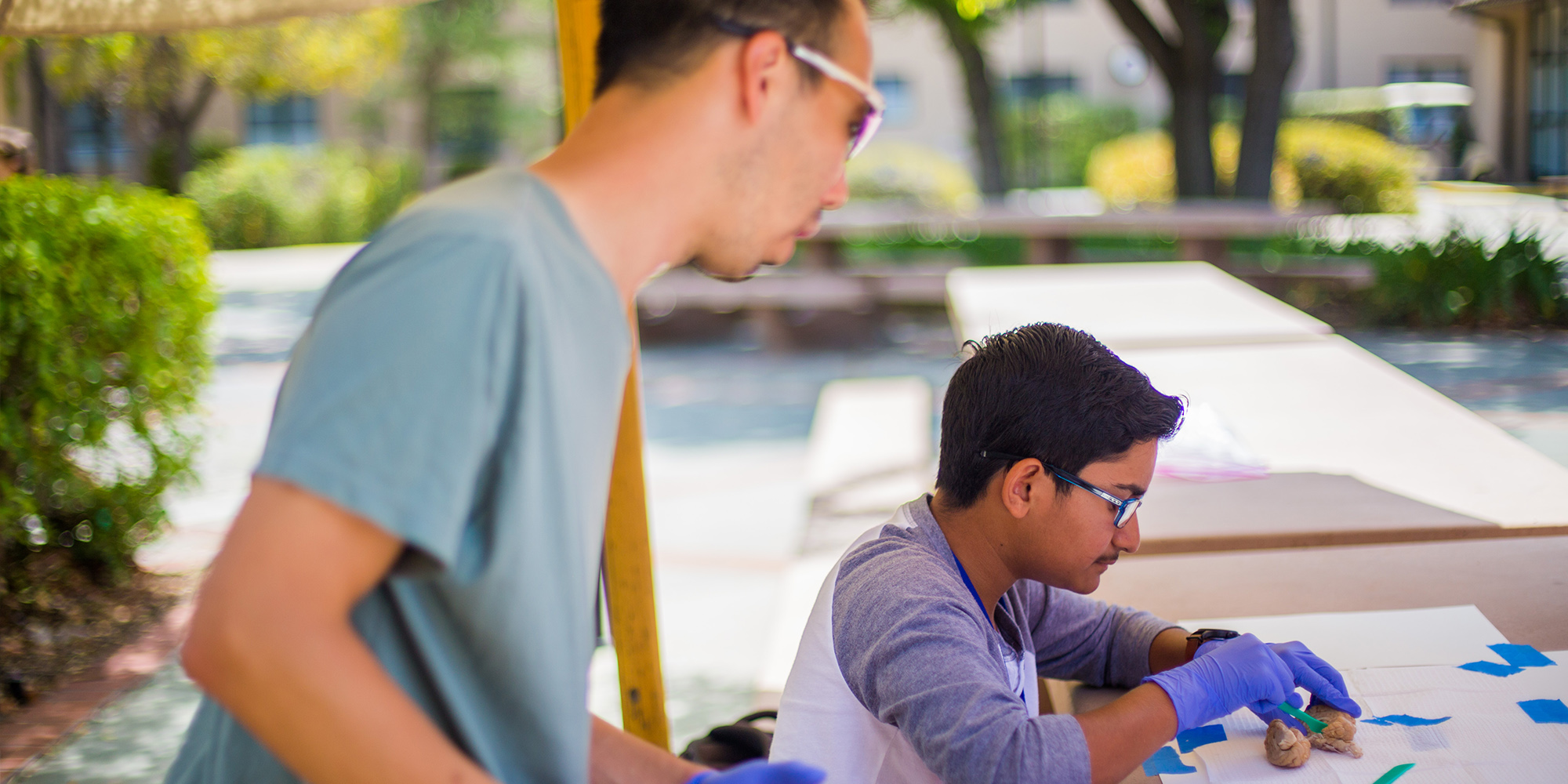
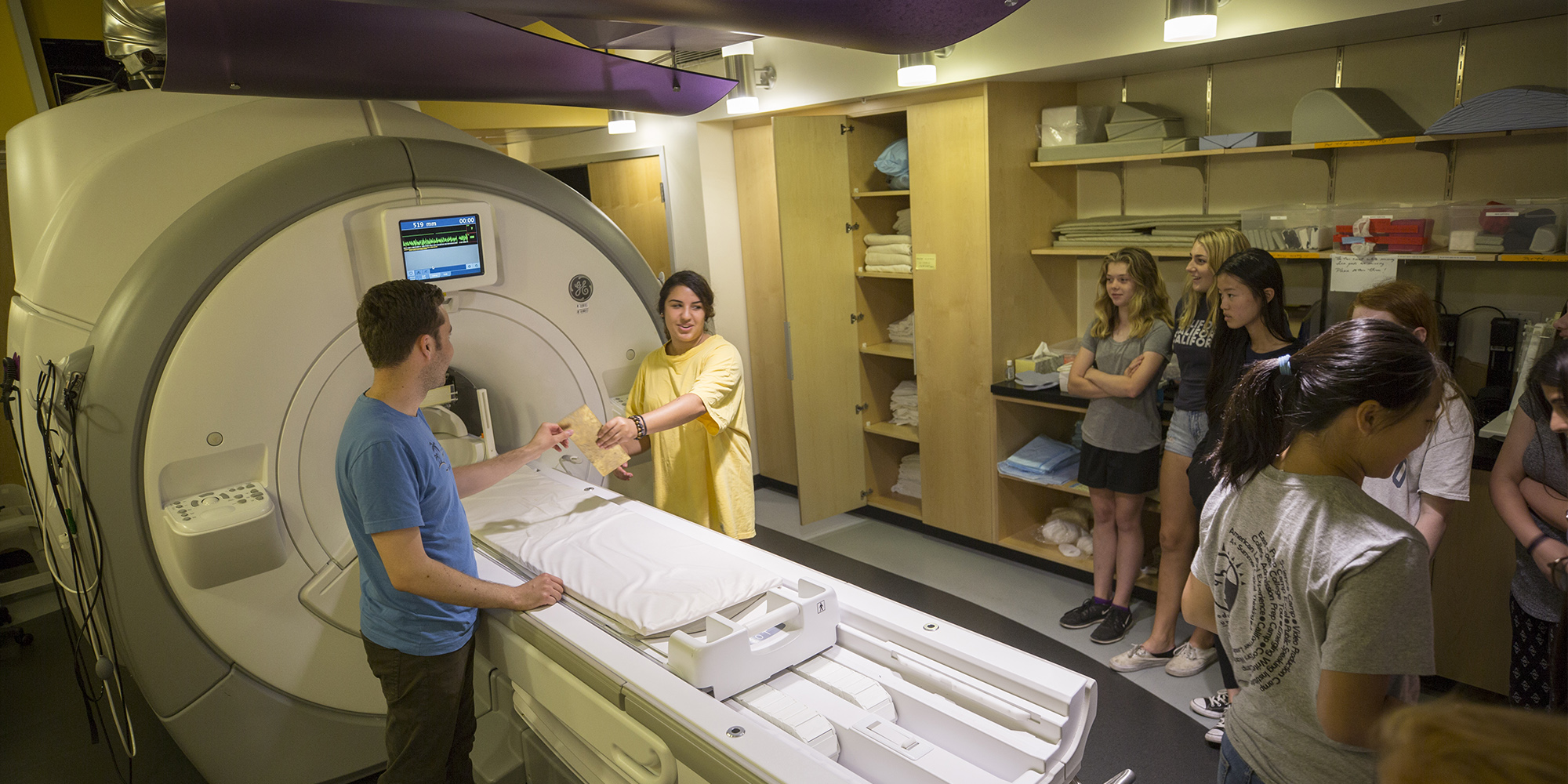
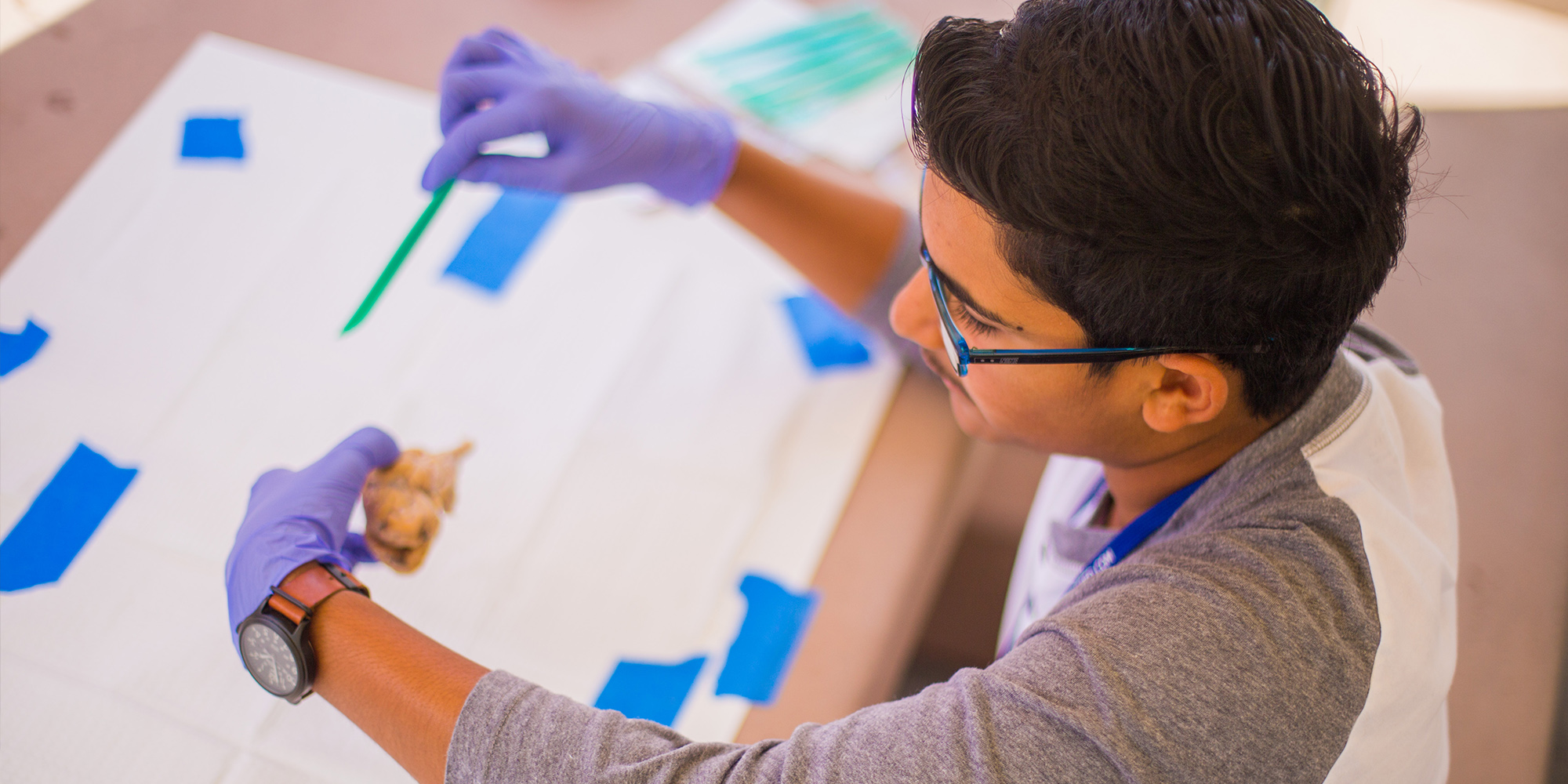
In this high school neuroscience camp, students learn by doing, taking neuroanatomy beyond the textbook with activities including interpreting radiographic images, evaluating fictitious patients, dissecting sheep brains, and building neurological models with clay. Instruction is designed to keep students actively engaged in learning, connecting classroom concepts to real-world science. Beyond gaining exposure to neuroimaging and neuroscience laboratories, students develop the analytical, observational, and problem-solving skills necessary for future careers in advanced science and medicine.
Learning Outcomes
- Understand the basic cell biology of neurons and how neurons communicate within the nervous system.
- Investigate how brain structures contribute to sensory processing, movement, cognition, and behavior.
- Apply neuroanatomical knowledge to fictitious patient cases and present findings to the class.
- Gain hands-on experience examining brain anatomy through model building, laboratory exercises, sheep brain dissections, and more.
- Practice communicating scientific findings and neurological reasoning through formal presentations.
- Extend scientific learning beyond the classroom through enrichment workshops, guest speakers, and recreational activities.
Neuroanatomy offers three schedule options:
- Online Camps - Taught live via Zoom with our amazing instructors - Average class size 6 students
- Extended Day Camp - In person - 9am to 9pm - Lunch and Dinner Included Daily
- Overnight Camps - In person - Students live in the university dorms; All meals are included for the duration of the program.
| Program | Grades | Location | Start Date | End Date | Price Options | Register |
|---|


Don’t see a class you want in your time zone? Check other time zones to flexibly fit your needs!
| Click Here to View Sample ON-CAMPUS Schedule | Click Here to View Sample ONLINE Schedule |
Education Unlimited believes in small-group, immersive learning with subject matter experts and experienced teachers. We strive to provide industry-leading instruction to all of our students and hold all staff to the highest possible standards. Staff assignments vary by program and location. Some of our recent staff members for this program include:
Jennifer Brakeman, PhD - Instructor
Dr. Brakeman is a dedicated high school science teacher who holds a Ph.D. in Neuroscience from Johns Hopkins University. For more than 20 years, she has been one of the most beloved teachers at the prestigious Head Royce school in Oakland, CA. During her tenure at the school, she has taught 9th-grade physics, 11th-grade Biology and AP Biology, 12th-grade Neurobiology and 12th-grade Molecular Genetics.
In addition to her teaching responsibilities, Dr. Brakeman has also coached the swim team, been an active member/advisor of the student Green Team and the school's Green Council, lead the school’s Boot Camp PE class, and has been the Science Department Chair since 2008. She feels incredibly fortunate to be able to teach the subjects she has a passion for, to students who love to learn, in a supportive and creative environment. Dr. Brakeman has been a member of the Education Unlimited team since 2015.
Cellas Hayes, PhD - Instructor
Dr. Hayes is currently a postdoctoral fellow/Propel scholar at Stanford University in the Department of Neurology and Neurological Sciences in a laboratory utilizing longitudinal data analysis and neuroimaging modalities to understand the aging brain, neuropathology, cognition, and Alzheimer’s Disease. Postdoctoral experience includes using R, Linux, and Python to perform data preprocessing, multivariate statistical analysis, and applying novel models for longitudinal continuous outcomes. He received his Bachelor’s in Biology (2015-2019) and Doctor of Philosophy in Pharmaceutical Sciences with an emphasis in Pharmacology (2019-2022) from the University of Mississippi. As a doctoral candidate, his research focused on using both in vitro and in vivo approaches to further elucidate how neuroendocrine modulation specifically insulin-like growth factor-1 alters learning and memory performance along with ischemic stroke outcomes. Skills gained during doctoral training included in vitro cell culture, pharmacological experimental design of both in vitro and in vivo studies, development of transgenic mouse models, a wide array of rodent behavioral paradigms, stereotaxic surgery, photothrombosis, and numerous ex vivo cellular, molecular, and microscopy techniques
Dr. Hayes' primary interests lie at the intersection of aging, neurodegenerative disease, and using longitudinal epidemiological data sets to investigate hypotheses. All around neuroscientist seeking sci-comm, industry, and academic opportunities to strengthen skills to become an independent investigator.
Grant Walker, PhD - Instructor
Grant M. Walker, Ph.D., is a Project Scientist in the Auditory and Language Neuroscience Lab at the University of California, Irvine. He received a B.A. in Cognitive Science and Communications from the University of Pennsylvania, and a Ph.D. in Psychology, as well as an M.S. in Cognitive Neuroscience, at the University of California, Irvine. His research is focused on understanding the mechanisms that support speech and language functions, how these mechanisms are impaired by brain injury, and how best to repair them. The methods typically involve the development of computational models to extract meaningful measures of latent cognitive abilities from behavioral tests and neuroimaging data.
Sarah Leinwand, PhD, Instructor
Dr. Sarah Leinwand obtained her B.A. in the Biological Basis of Behavior at the University of Pennsylvania and her Ph.D. in Neurosciences at the University of California, San Diego. Sarah was a Postdoctoral Fellow at the University of California, Berkeley in the Department of Molecular and Cell Biology. Her research has investigated brain development and the neural basis of behavior. She has published and received multiple grants for her work examining how circuits in the brain control smell, taste, and learning abilities across the lifespan. She has taught Exploring the Brain: Introduction to Neuroscience at Berkeley, several introductory neuroscience courses for advanced high school students, and mentored high school, community college, and undergraduate students in the laboratory. Sarah is passionate about STEM education and looks forward to training the next generation of scientists, doctors, and citizens.
Paloma Santos, Instructor
Paloma Santos is a PhD student in UC Berkeley’s School of Information whose work bridges cognitive science and technology. She holds a BS in Cognitive Behavioral Neuroscience from UC San Diego and an MA in Psychological Science from CSU Northridge, where she earned the program’s Outstanding Graduate Student Award in recognition of both her research productivity and teaching excellence. Her prior projects span EEG studies of visual memory, augmented-reality guidance for real-world visual search, and citizen-science platforms that gamify technology-ethics research. Beyond her academic pursuits, she finds solace and rejuvenation in yoga, skiing, dancing, running, and exploring with friends.
Jessica Weiss, Instructor
Jessica Weiss is a dedicated physician assistant student at Stanford University. She earned her undergraduate degree in neuroscience from the University of California, Santa Barbara (UCSB). Prior to her studies at Stanford, Jessica gained extensive medical experience working as a medical scribe in the emergency room and as a medical assistant for an orthopedic surgeon. Jessica's commitment to community service is demonstrated by her significant involvement with Doctors Without Walls Santa Barbara Street Medicine, where she held two leadership positions. In this role, she led a team of volunteers, providing essential medical care and resources to unhoused individuals throughout Santa Barbara. Additionally, during her time at UCSB, Jessica volunteered with Kids in Nutrition, teaching first graders valuable lessons about nutrition. In her free time, Jessica enjoys spending time outdoors, whether at the beach, hiking, or walking her dog.