





This two-week intensive introduces students to the principles and techniques of modern surgery through hands-on skill development, case studies, anatomy exploration, and simulated procedures. Students learn not only how surgical procedures are performed, but also why they are performed, gaining insight into the physiology, pathology, and decision-making that guide patient care.
Week 1: General Surgery
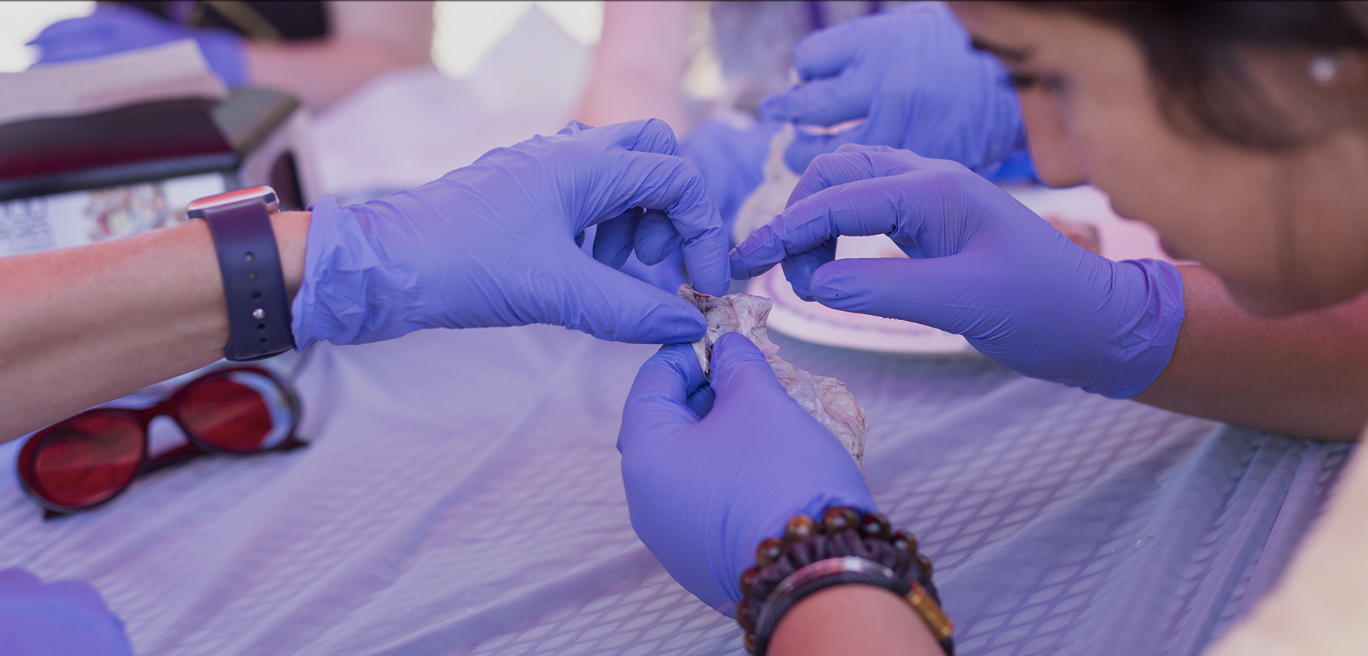
Students begin by mastering foundational surgical techniques, including instrument handling, knot tying, and suturing. As their skills develop, they apply these techniques to increasingly complex surgical simulations while exploring the anatomy and physiology of the gastrointestinal system.
Topics include:
• Surgical instruments and operating room fundamentals
• One-handed and two-handed knot tying
• Suturing techniques, including running and subcuticular closures
• Airway management, intubation, tracheostomy, and emergency airway procedures
• Hiatal hernia repair and anti-reflux surgery
• Esophageal and stomach disorders and surgical treatment
• Management of ulcers and gastrointestinal perforations
• Appendectomy and colorectal surgery
• Ileostomy and colostomy procedures
• Gallbladder disease and cholecystectomy
Throughout the week, students participate in hands-on simulations designed to reinforce both technical skills and clinical reasoning.
Week 2: Vascular and Cardiothoracic Surgery
Building on the skills acquired during the first week, students explore the challenges of vascular and cardiac surgery. They learn how surgeons repair blood vessels, restore circulation, and support patients undergoing complex heart procedures.
Topics include:
• Vascular suturing and anastomosis techniques
• Repair of traumatic vascular injuries
• Abdominal aortic aneurysm repair
• Peripheral vascular disease and bypass procedures
• Central venous access and catheter placement
• Angioplasty and minimally invasive vascular interventions
• Carotid artery surgery and stroke prevention
• Hemodynamics and critical care monitoring
• Dialysis access surgery
• Introduction to cardiopulmonary bypass
• Coronary artery bypass surgery
• Heart valve disease and replacement
• Simulated coronary bypass procedure
By the end of the program, students will have developed a broad understanding of surgical specialties, strengthened their technical skills, and gained firsthand experience with many of the procedures that define modern surgery.
Summer 2026 Special Session
For Summer 2026, Surgical Medicine will be offered just once as a special two-week session at Stanford University taught by renowned cardiothoracic surgeon Dr. Fritz Baumgartner.
Students may enroll as either Extended Day campers (9:00 a.m.–9:00 p.m., with lunch and dinner included daily) or as Residential campers, living in the Stanford residence halls and enjoying a complete campus experience with all meals included.
Because of the highly specialized nature of the program and extensive hands-on instruction, enrollment will be limited.
| Program | Grades | Location | Start Date | End Date | Price Options | Register |
|---|
On-Campus Sample Schedule Science Camps | |
|---|---|
| 7:30 am | Overnight campers - wake up! |
| 8:00 am | Breakfast in the dining hall (overnight campers) |
| 9-9:15 am | Extended day camper check-in |
| 9:00 am | Camp meeting & warm-up |
| 9:15 am | Lab session |
| 12:00 pm | Lunch in the dining hall (included for overnight & extended day campers) |
| 1:15 pm | Recreation |
| 2:00 pm | Lab session |
| 5:30 pm | Dinner in the dining hall (overnight & extended campers) |
| 6:30 pm | Evening class session |
| 7:45 pm | Evening recreation & activities |
| 8-9:00 pm | Extended day camper check-out |
| 9:30 pm | Floor check (overnight campers get ready for bed) |
| 10:00 pm | Room check & lights out |
Education Unlimited believes in small-group, immersive learning with subject matter experts and experienced teachers. We strive to provide industry-leading instruction to all of our students and hold all staff to the highest possible standards. Staff assignments vary by program and location.
Stanford University Residential Program
July 26 – August 8, 2026
Fritz Baump, JD - Instructor
Dr. Fritz Baumgartner is a retired cardiothoracic, vascular, and general surgeon with decades of experience caring for patients and training future physicians. A graduate of the University of California, Los Angeles (UCLA), he completed extensive surgical training in general and cardiothoracic surgery before building a distinguished career performing complex heart, vascular, and general surgical procedures.
In addition to his clinical accomplishments, Dr. Baumgartner is passionate about teaching and mentoring the next generation of healthcare professionals. He developed and taught the highly successful Surgery 101 program in Palos Verdes, where high school students gained hands-on experience with surgical skills, anatomy, and physiology through interactive workshops and simulations.
Known for his enthusiasm, approachable teaching style, and commitment to experiential learning, Dr. Baumgartner brings the operating room to life for students interested in medicine, surgery, biomedical science, and healthcare careers. He is excited to share the knowledge and skills he developed over a lifetime in surgery with aspiring young physicians.